FPS Shooter Banner
FPS Shooter gameplay in an arena
Case Study / 01

FPS Shooter

Fast combat designed around readable pressure and confident improvisation.

Genre
First-Person Shooter
Role
Gameplay Designer
Engine
Unity
Duration
5 months
Platform
PC

Make speed feel legible.

We wanted players to feel sharp, mobile, and capable of making a plan in the middle of a fight. The fantasy was not power for its own sake; it was the satisfaction of reading a space quickly and turning a small advantage into momentum.

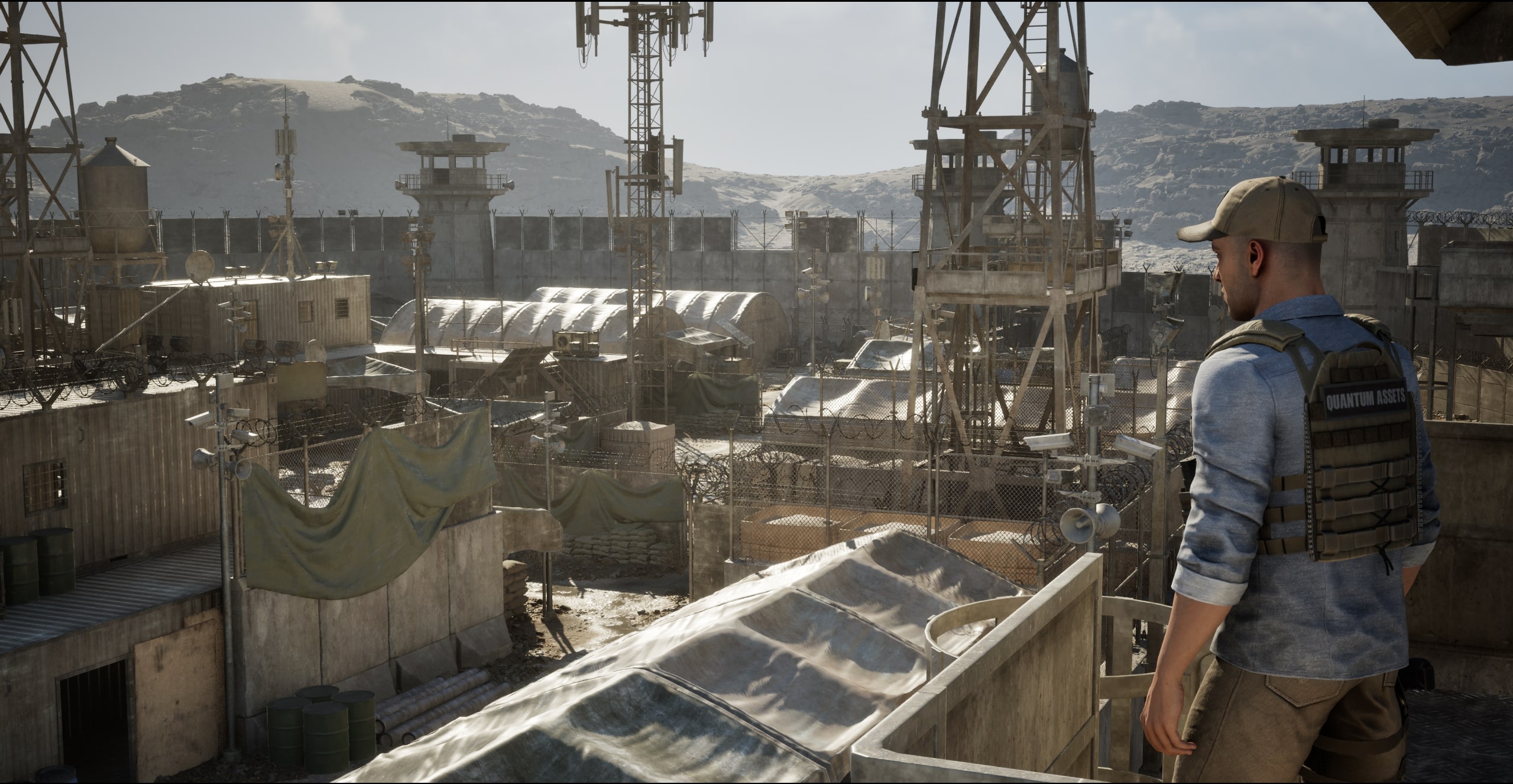
FPS Shooter arena composition
Space became the first layer of feedback.

Players moved quickly, but did not always know why they won.

Early encounters felt noisy. Sightlines overlapped, pressure arrived from everywhere, and success could feel accidental. The design problem was to create urgency without sacrificing understanding.

Gameplay Design

Shaped combat decisions around movement, aim, and readable enemy pressure.
Level Design

Built arena routes that gave players options without losing orientation.

Balancing

Tuned encounter intensity so risk and reward stayed visible.

Playtesting

Used repeated sessions to separate real friction from personal preference.

Documentation

Captured encounter intent so iteration stayed focused.

Production

Prioritized the changes that most improved the moment-to-moment feel.

Small questions, tested often.

IdeaWhat should the player notice?
PrototypeCan the decision be felt?
PlaytestWhere does clarity break?
IterationKeep the useful friction.
Final DesignSpeed with intention.

Combat loop / read, commit, recover.

Click a stage to see the design question behind the encounter rhythm.

Open combat loopFlowchart / annotated

Select a stage to reveal the design insight.

FPS Shooter early arena wireframeWireframe
FPS Shooter final arena implementationFinal

From busy arena to readable arena.

FPS Shooter early arena iteration
Version 1 / Too many competing sightlines.
FPS Shooter refined arena iteration
Final / Routes now reveal their purpose.

More enemies did not create more tension.

Adding pressure everywhere made the fight feel flat. We reduced the number of simultaneous threats and gave each encounter a clearer rhythm.

Scope followed the strongest moments.

We reduced feature breadth to protect the core combat loop, prioritized the arenas that taught the clearest lessons, and treated communication as part of the design work.

Scope reductionTask prioritizationFeature cutsTrade-offs

Lesson 01Clarity is a form of excitement.

Lesson 02Players find the edge cases first.

Lesson 03Iteration beats adding content.

If I revisited this project today...

I would keep the emphasis on readable movement and focused encounters. I would improve the onboarding and make the first arena teach the combat language with less noise.

Back to all projects

Status

Completed

Type

First Person Shooter

Engine

Unity (C#)
About
FPS Shooter is a fast-paced first-person shooter game. Battle against AI or friends in various arenas. Built with Unity and C#.
Project Info
  • Role: Game Developer
  • Genre: First Person Shooter
  • Engine: Unity (C#)
  • Time frame: 5 Months
Screenshots
Browse the level tabs below to see gameplay screenshots from each arena and lighting setup.
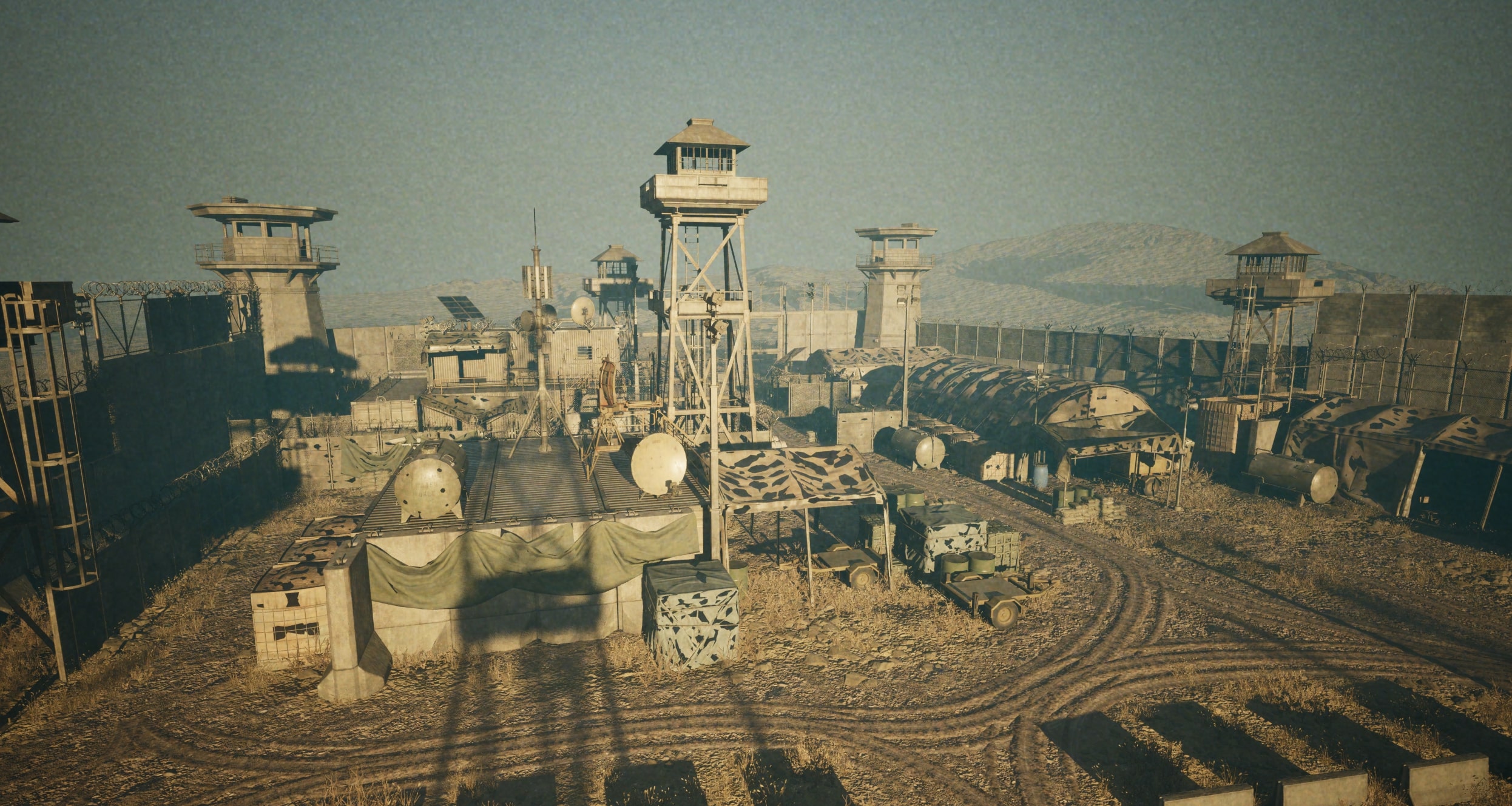
  • Training Grounds
  • Urban Warfare
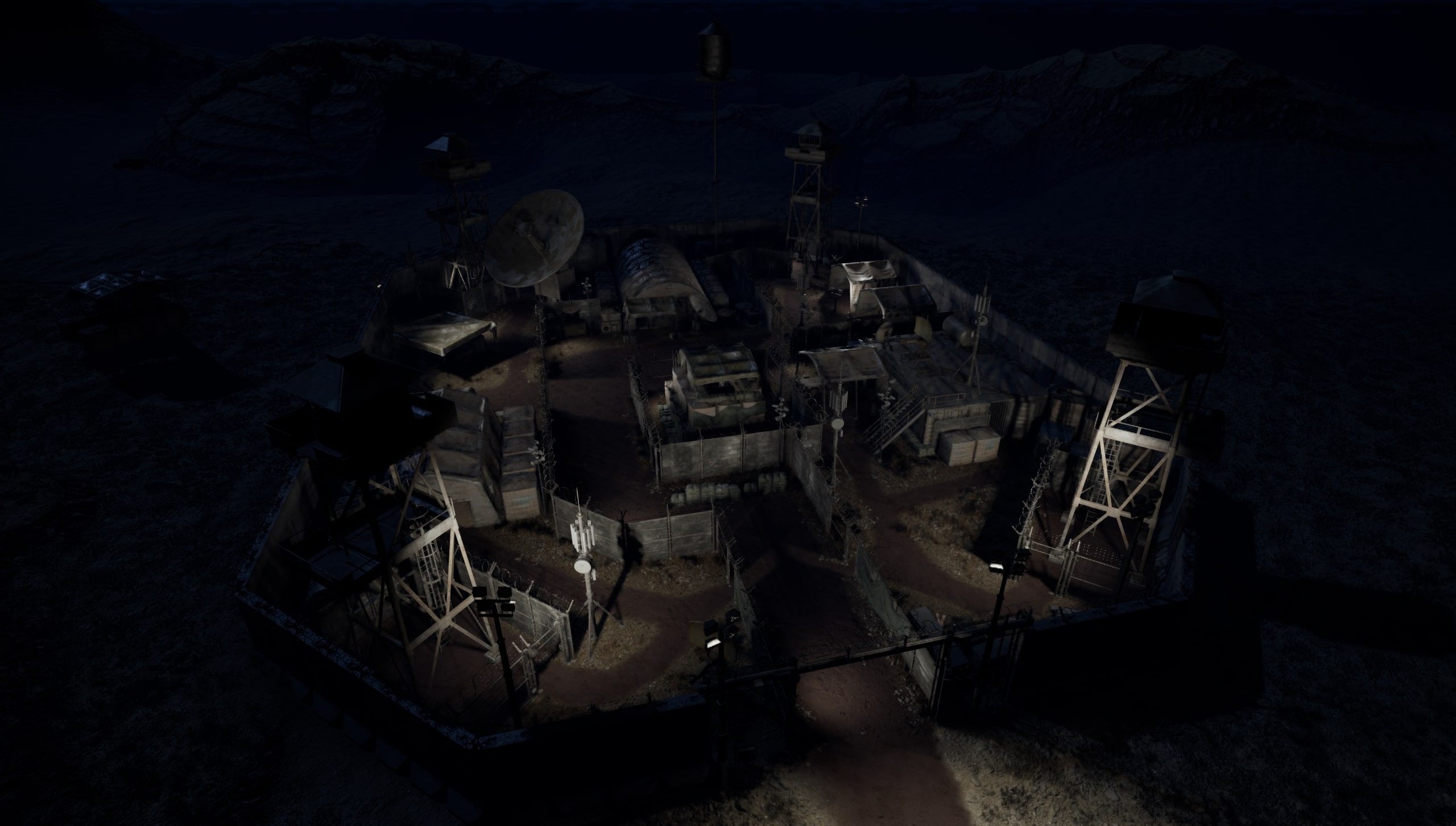
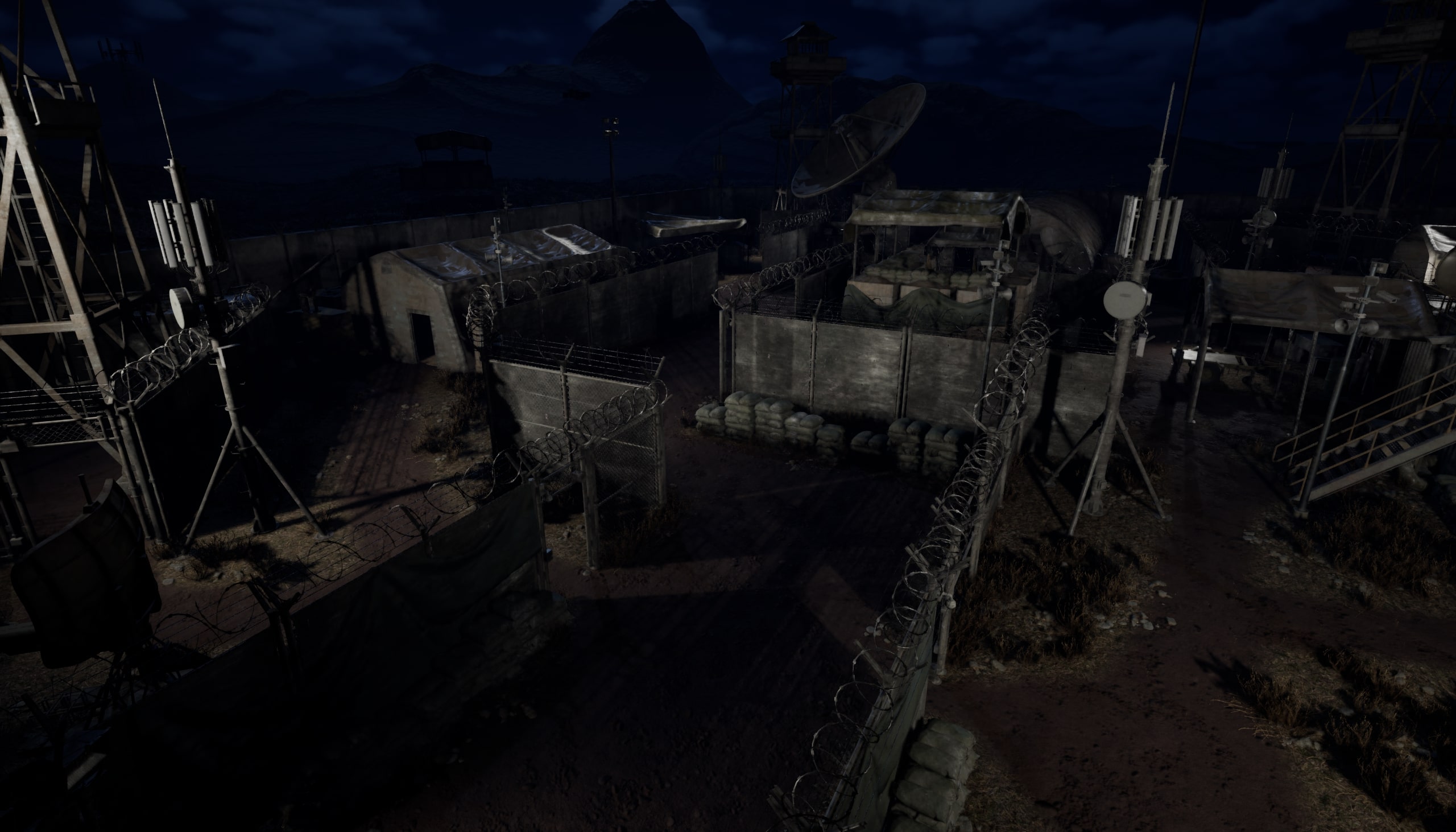
  • Night Assault

Level 1: Training Grounds

Get familiar with the controls and basic mechanics. Face off against simple AI in a small arena.

Scene Mood
Clear daylight, high readability
Focus
Movement, aiming, basic combat rhythm
Visual Notes
Open lanes, clear silhouettes, low clutter
Vision
Introduce players to the core mechanics and controls in a safe, simple environment. The goal is to build confidence and excitement for the action ahead.
Key Challenges
  • Engagement: Making the tutorial fun, not tedious
  • Clarity: Ensuring all controls are visually and interactively explained
Fixes & Improvements
  • Added animated visual cues for objectives
  • Improved AI pacing for a smoother learning curve

Level 2: Urban Warfare

Navigate a city map with multiple routes and verticality. Enemies are smarter and use cover.

Scene Mood
Dense urban pressure with mid-range duels
Focus
Cover usage, flanking, elevated routes
Visual Notes
Street depth, rooftop angles, tactical chokepoints
Vision
Create a dynamic city map with multiple routes, vertical gameplay, and opportunities for creative tactics. The level should feel alive and unpredictable.
Key Challenges
  • Balance: Open areas vs. cover spots for fair play
  • AI Tactics: Programming AI to use cover and flanking
Fixes & Improvements
  • Adjusted spawn points for better match flow
  • Optimized map layout and assets for smooth performance

Level 3: Night Assault

Battle in a dark, atmospheric map with limited visibility. Use stealth and night vision to your advantage.

Scene Mood
Low-light tension with stealth pressure
Focus
Night vision usage, sound tracking, timing
Visual Notes
Contrast-led framing, readable threat silhouettes
Vision
Deliver a tense, atmospheric experience with limited visibility, stealth, and sound-based gameplay. Players should feel both vulnerable and empowered.
Key Challenges
  • Visibility: Balancing darkness and player sightlines
  • Immersion: Implementing night vision and audio cues
Fixes & Improvements
  • Added adjustable brightness and accessibility options
  • Improved enemy patrol and alertness logic