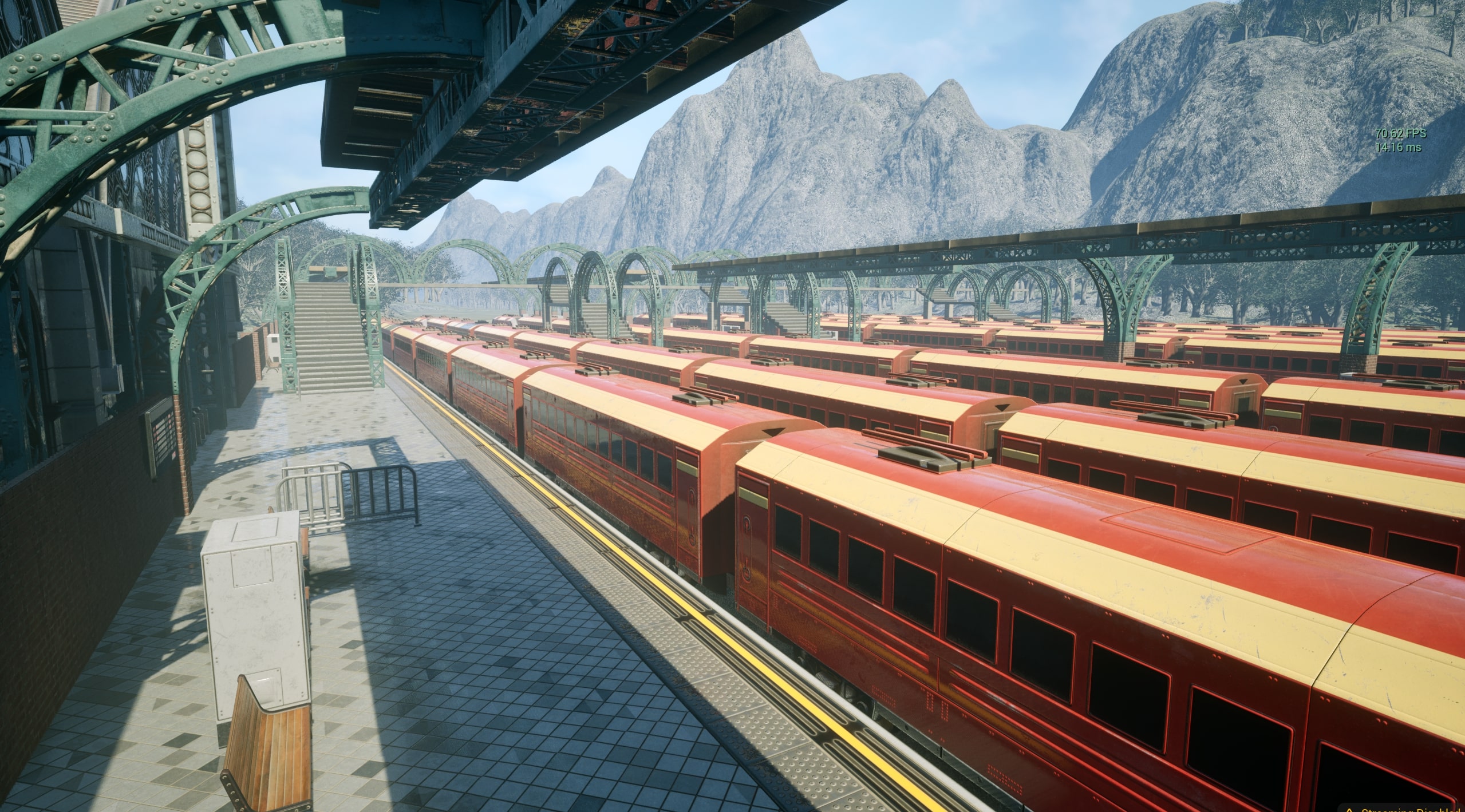
Railway Simulator Banner
Railway Simulator mountain route
Case Study / 03

Railway Simulator

A calm, readable simulation about making a route feel like a place worth traveling through.

Genre
Simulation
Role
Level Designer
Engine
Unreal Engine 5
Duration
2.5 months / ongoing
Platform
PC

Turn a timetable into a journey.

The project began with the idea that management systems could still feel scenic and human. The player fantasy was to move between planning and watching, feeling responsible for a network while enjoying the world passing by.

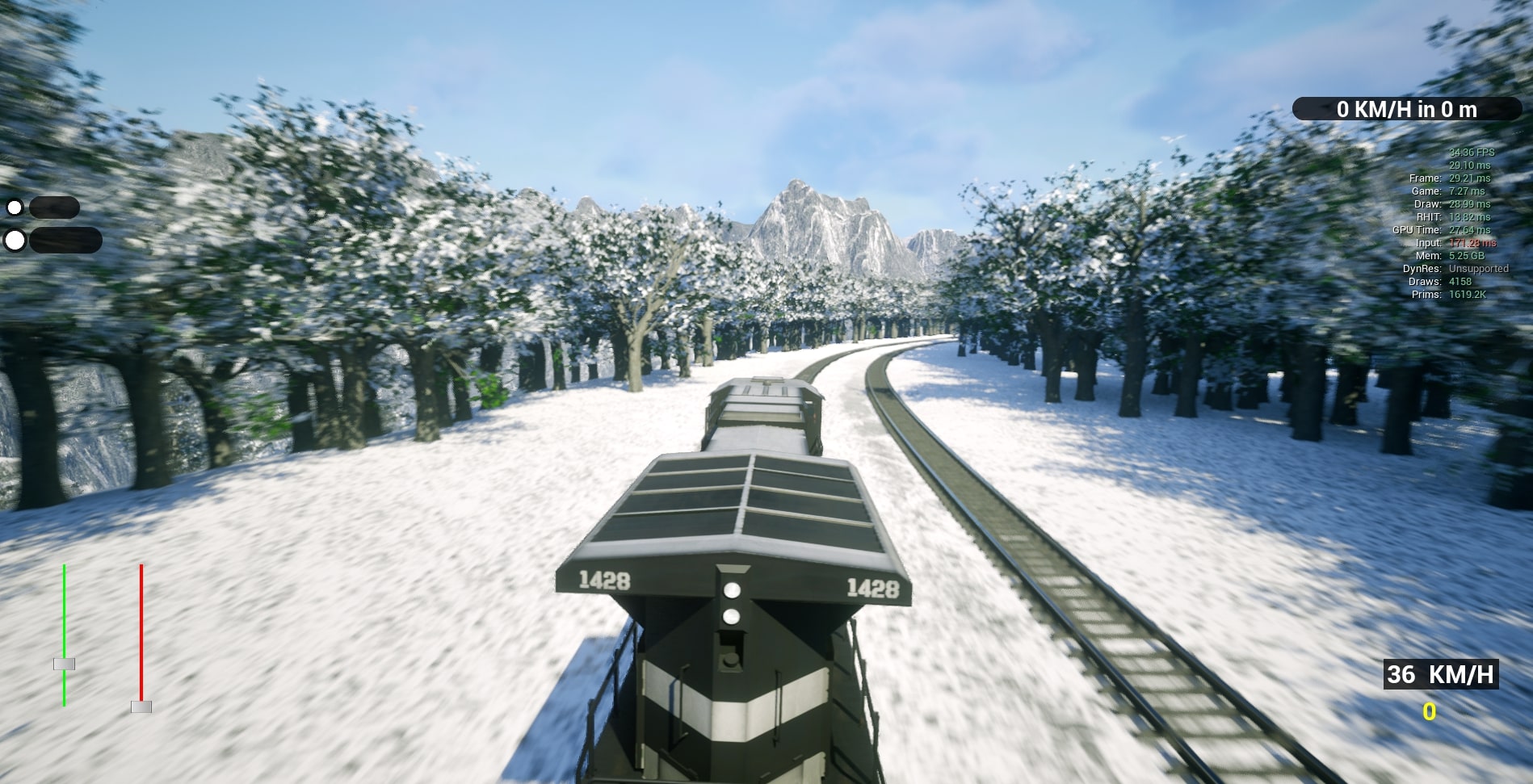
Railway Simulator route through a forest
Route composition carries the emotional pace.

The route was functional, but it did not yet feel memorable.

Early layouts asked players to manage movement without giving them a clear sense of place. The design challenge was to make terrain, stations, and transitions communicate what mattered next.

Level Design

Composed routes, landmarks, and transitions that reward attention.
Systems Design

Connected scheduling decisions to the physical shape of the world.

Player Guidance

Used visual hierarchy so players could read the next decision quickly.

Production

Sequenced route work around the clearest playable milestones.

Playtesting

Watched where players paused, rerouted, or lost the thread.

Documentation

Made route intent visible across the team.

Build the route, then read the route.

IdeaWhere should the eye travel?
PrototypeCan the route be understood?
PlaytestWhere does orientation fade?
IterationMake the next move obvious.
Final DesignA journey with rhythm.

Production timeline / from blockout to handoff.

Milestones show where the route became a player-facing experience rather than just a finished asset.

Open production timelineMilestones / annotated

Select a milestone to reveal the design insight.
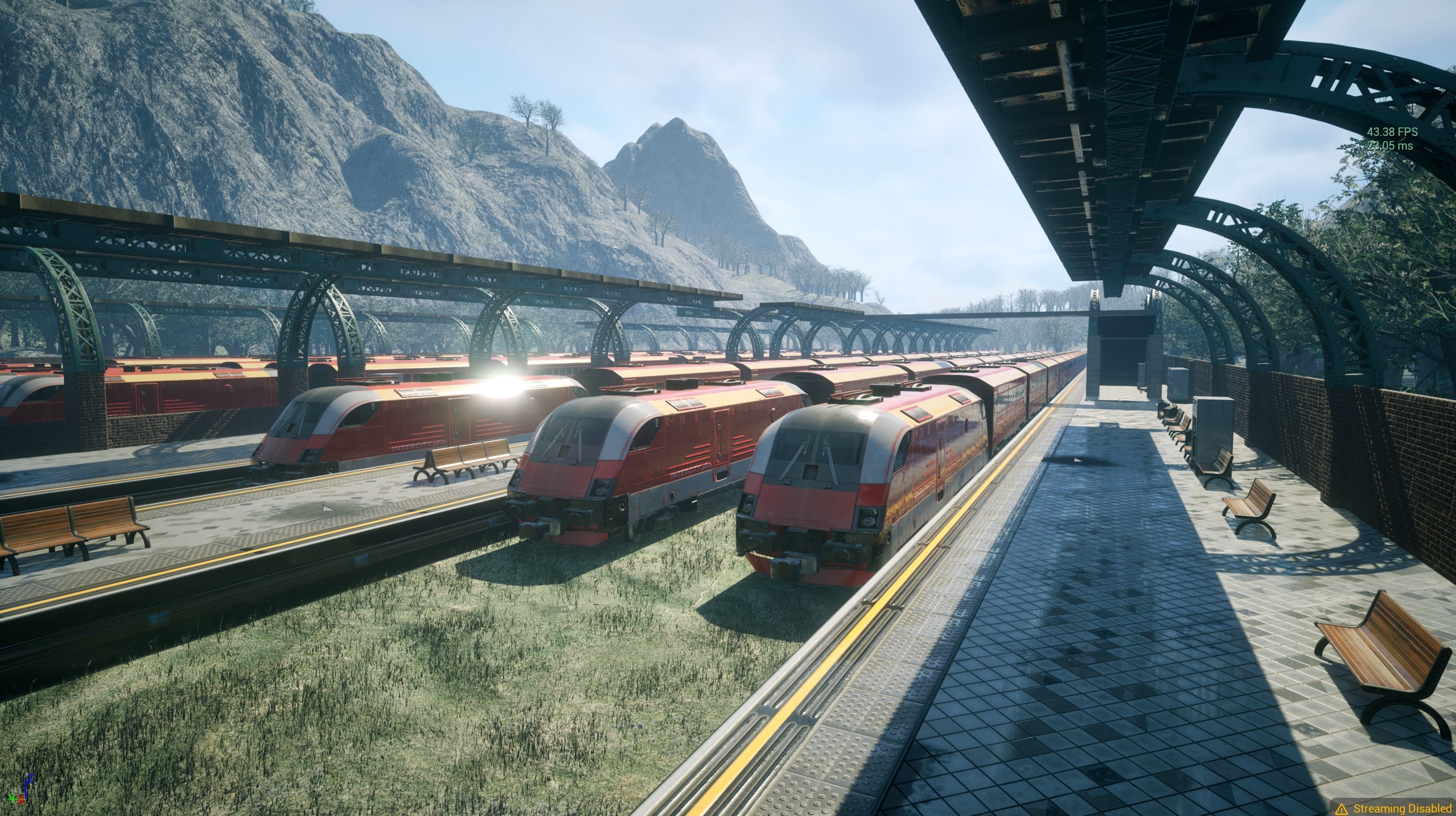
Railway Simulator early route blockoutWireframe
Railway Simulator final route implementationFinal

From track layout to lived-in route.

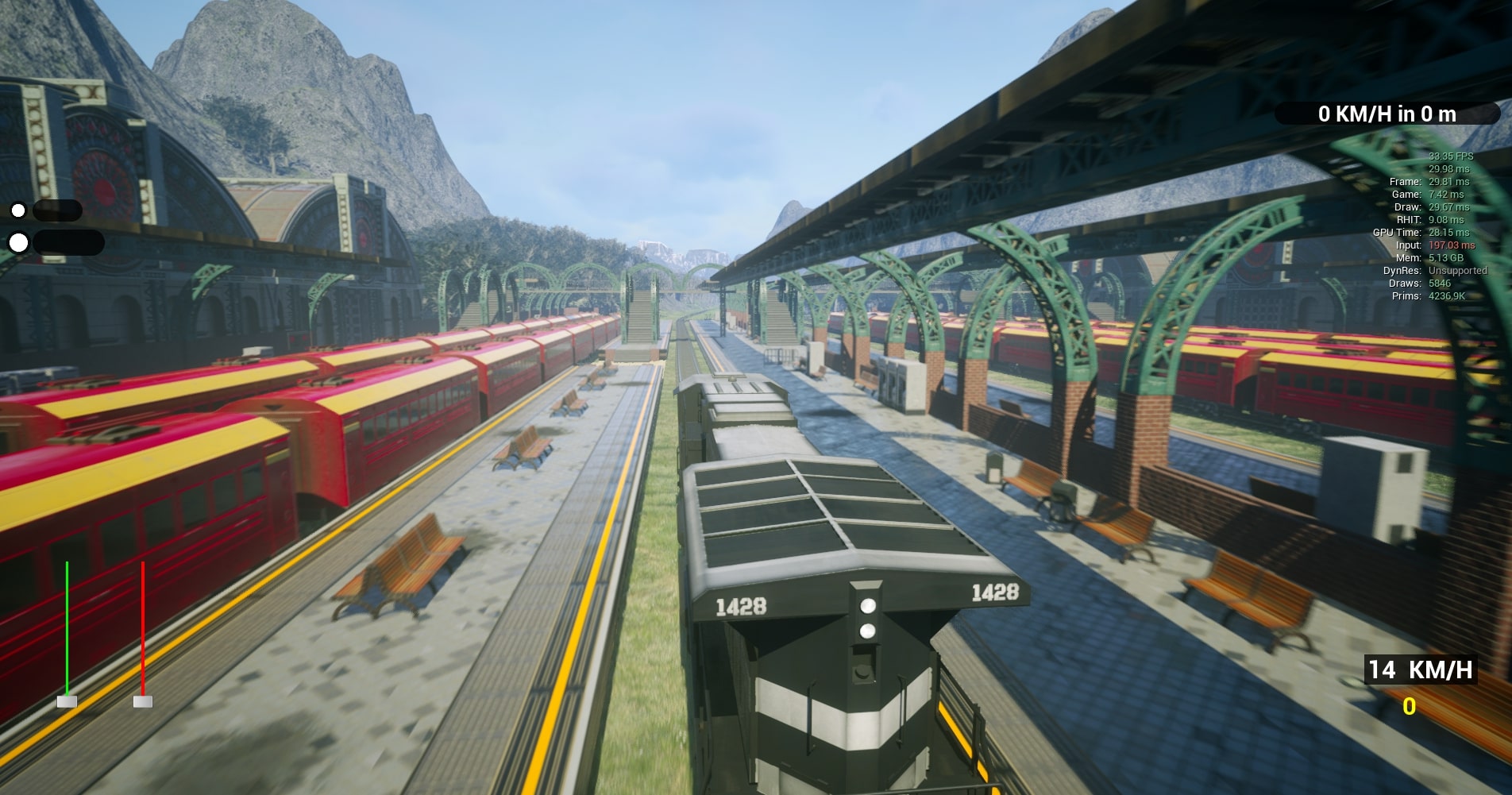
Railway Simulator early route iteration
Version 1 / A route with no pause.
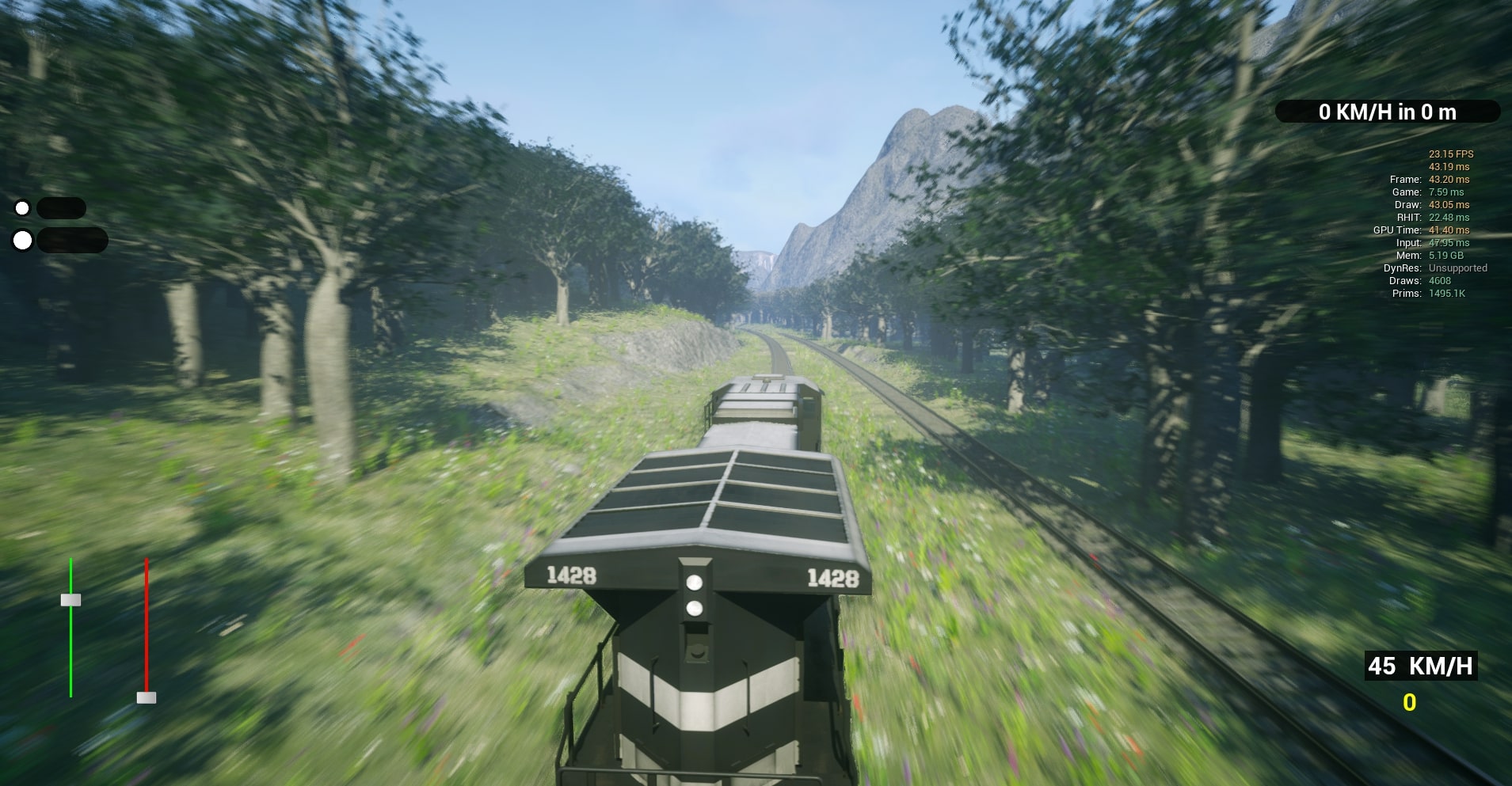
Railway Simulator refined route
Final / Biome changes give the trip a shape.

More track did not mean more choice.

Expanding the network too quickly diluted the decisions. We focused on a smaller set of routes and made each junction carry a clearer consequence.

Prioritize the moments players remember.

Production stayed focused by treating route readability and biome transitions as the highest-value work. Nice-to-have systems waited until the journey itself was coherent.

Task prioritizationCommunicationFeature cutsTrade-offs

Lesson 01Orientation is part of atmosphere.

Lesson 02Players need a reason to take the scenic route.

Lesson 03Good pacing can be quiet.

If I revisited this project today...

I would keep the balance between planning and observation. I would improve the first route’s teaching moments and give players earlier reasons to care about the network they are shaping.

Back to all projects

Status

Ongoing

Type

Simulation

Engine

Unreal Engine 5
About
Railway Simulator(Psudo name) is a realistic train simulation game. Manage your own railway network, drive trains, and optimize schedules. Built with Unity and C#.
Project Info
  • Role: Level Designer
  • Genre: Simulation
  • Engine: Unreal Engine 5
  • Time frame: 2.5 Months (On-going)
Screenshots
Browse the level tabs below to view screenshots from each route, biome transition, and set piece.
  • Snow Mountain region
  • Forest Valley Region

Level 1: Snow Mountain region

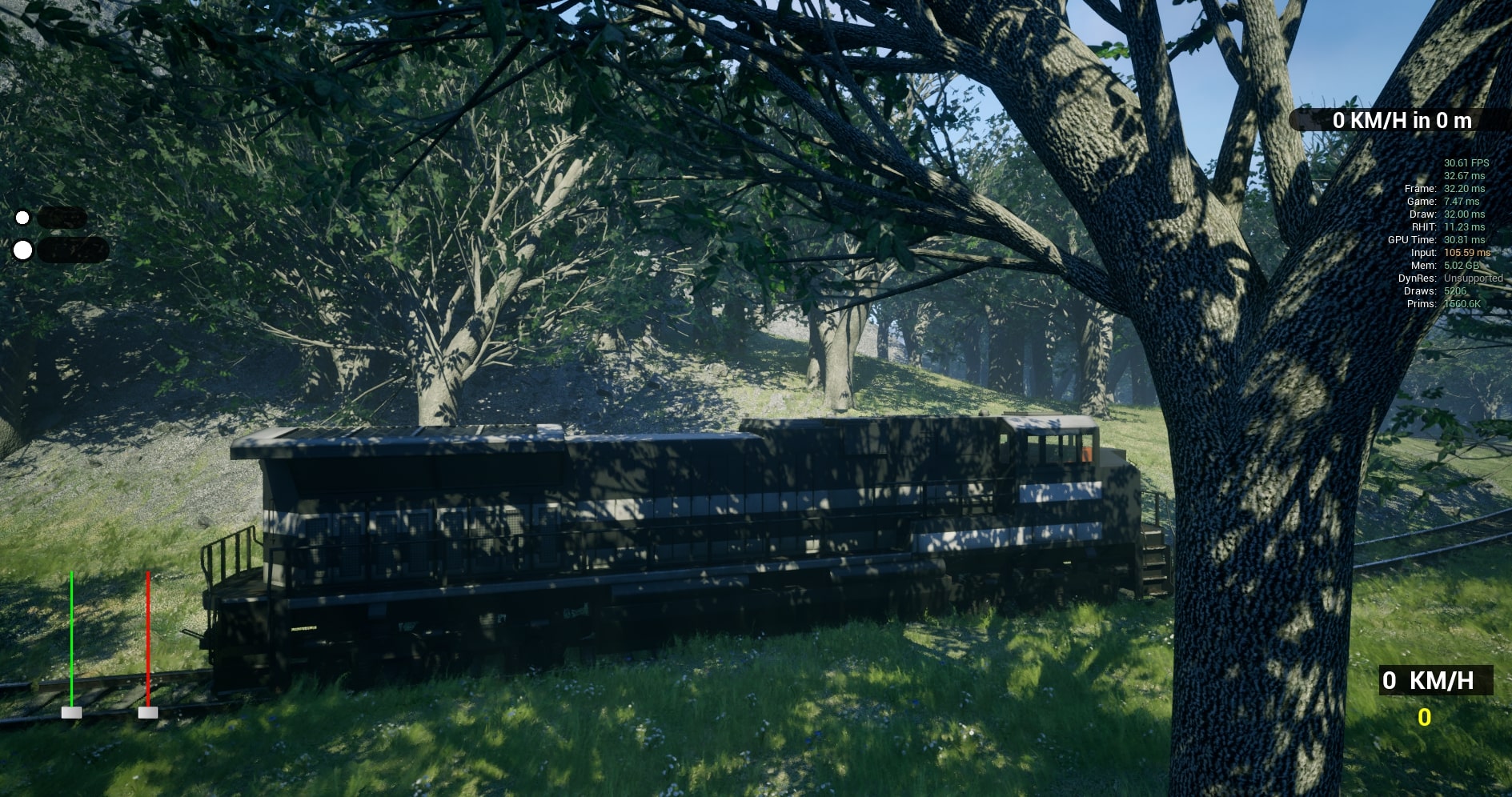
Designed as the introductory level of the simulator, this environment takes players on a breathtaking journey from lush green valleys into the heart of a snow-covered mountain range. The level challenges players to adapt to dynamic terrain transitions, shifting weather, and precise control mechanics while maintaining a smooth and immersive train operation experience.
Vision
To create a believable and immersive mountain railway experience that reflects the diversity of nature—lush forests, rocky cliffs, and snowy peaks—all within a single cohesive route. The goal was to design an environment that feels alive and narratively expressive even without dialogue or cutscenes, allowing the world itself to tell the story of the journey.
Key Challenges
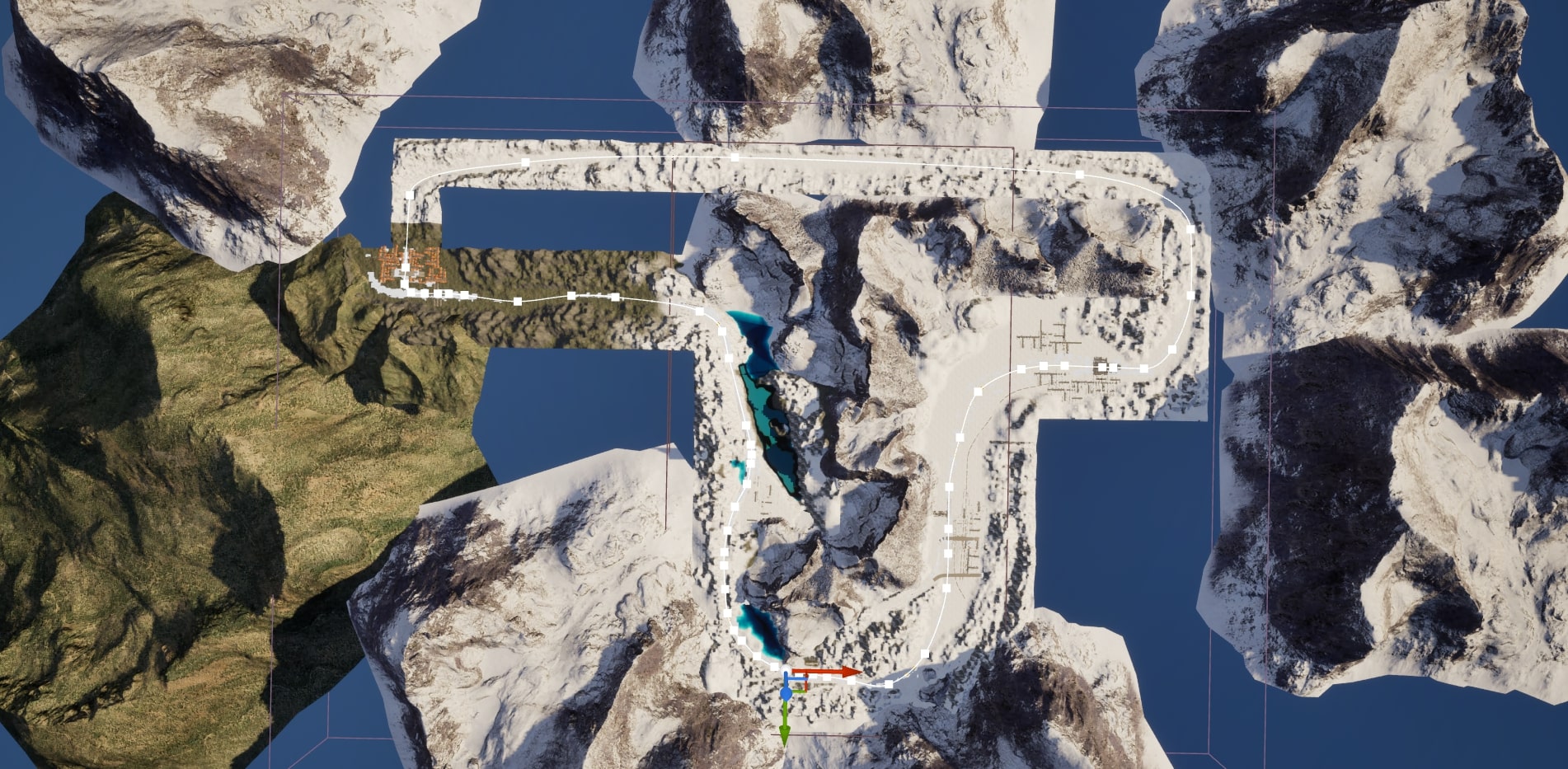
  • Terrain Composition: Crafting natural transitions between biomes while maintaining visual and topographical realism.
  • Route Flow: alancing curvature, elevation changes, and track placement to maintain both realism and visual interest throughout the journey.
  • Visual Readability: : Ensuring the players line of sight always captures key environmental landmarks while minimizing visual clutter.
  • Scale and Proportion: Maintaining consistent scaling of cliffs, tunnels, and bridges to complement the size and speed of the trains.
�️
Fixes & Improvements
  • Refined snow terrain materials and adjusted vegetation density for smoother biome blending.
  • Enhanced mountain silhouettes and background composition to improve depth perception and framing.
  • Reworked track segments to ensure smoother turns and natural slope flow.
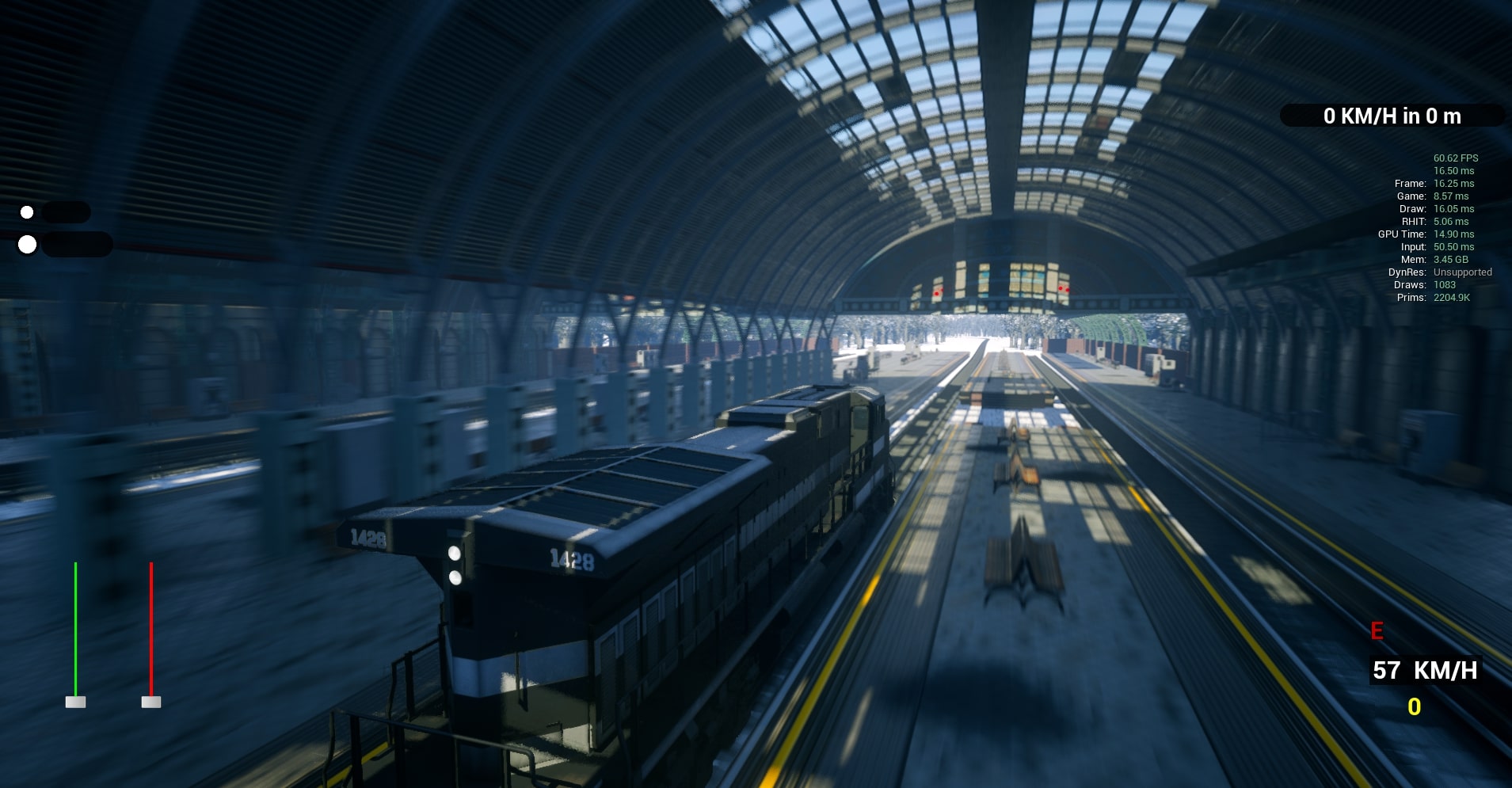
  • Added scenic focal points—such as bridges, tunnels, and viewpoints—to enhance player engagement and pacing.
Level 1 Image 10

Level 2: Forest Valley Region

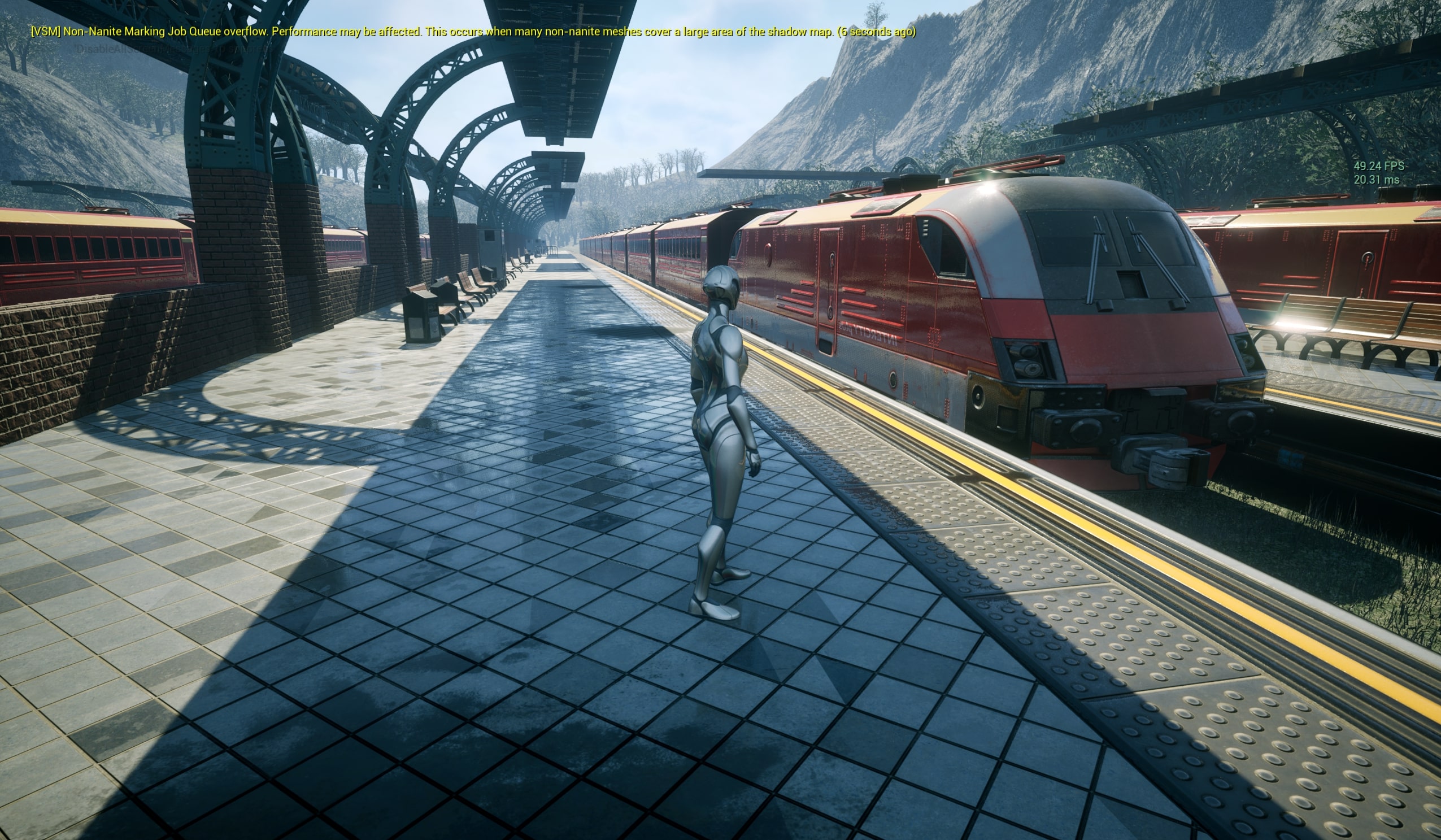
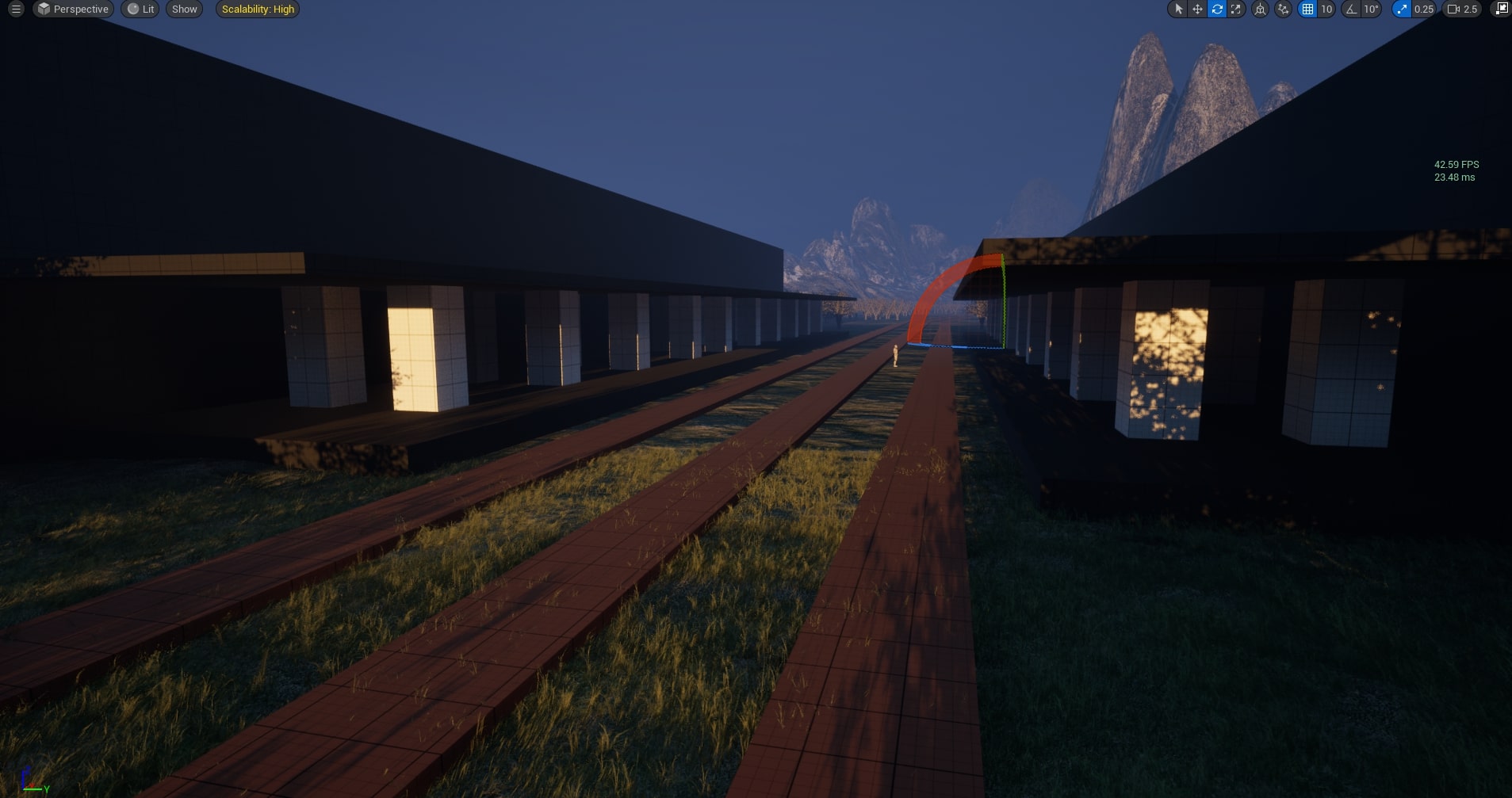
Building upon the foundation set in Level 1, this level focuses on creating a more complex and varied terrain layout that captures the essence of dense forest valleys. The goal was to design an environment that feels expansive yet intimate—offering players diverse scenery that transitions naturally between open clearings, dense woodland, and deep valley routes. The level introduces advanced spatial composition, environmental layering, and vertical variety to create an engaging sense of exploration throughout the route.
Vision
To design a dynamic and visually rich forest environment that conveys both tranquility and scale. The level was intended to feel alive—with light piercing through dense tree canopies, reflections dancing on lake surfaces, and tracks winding through layered elevations. The vision was to evoke the feeling of an untouched wilderness, where every turn of the track reveals a new mood, color palette, and atmosphere.
Key Challenges
  • Scheduling: Balancing multiple trains and routes
  • AI: Programming smart, adaptive train AI
Fixes & Improvements
  • Improved pathfinding and collision avoidance
  • Added visual schedule editor
Level 2 Image 10