Gameplay Design
Connected observation, movement, and consequence into one loop.
Psychological horror built around the fear of discovering what the player already suspects.
Lab-1995 began with a fascination for spaces that look familiar until one detail breaks the story. We were chasing a player fantasy of being observant enough to uncover the truth, while never feeling certain that the truth was safe.
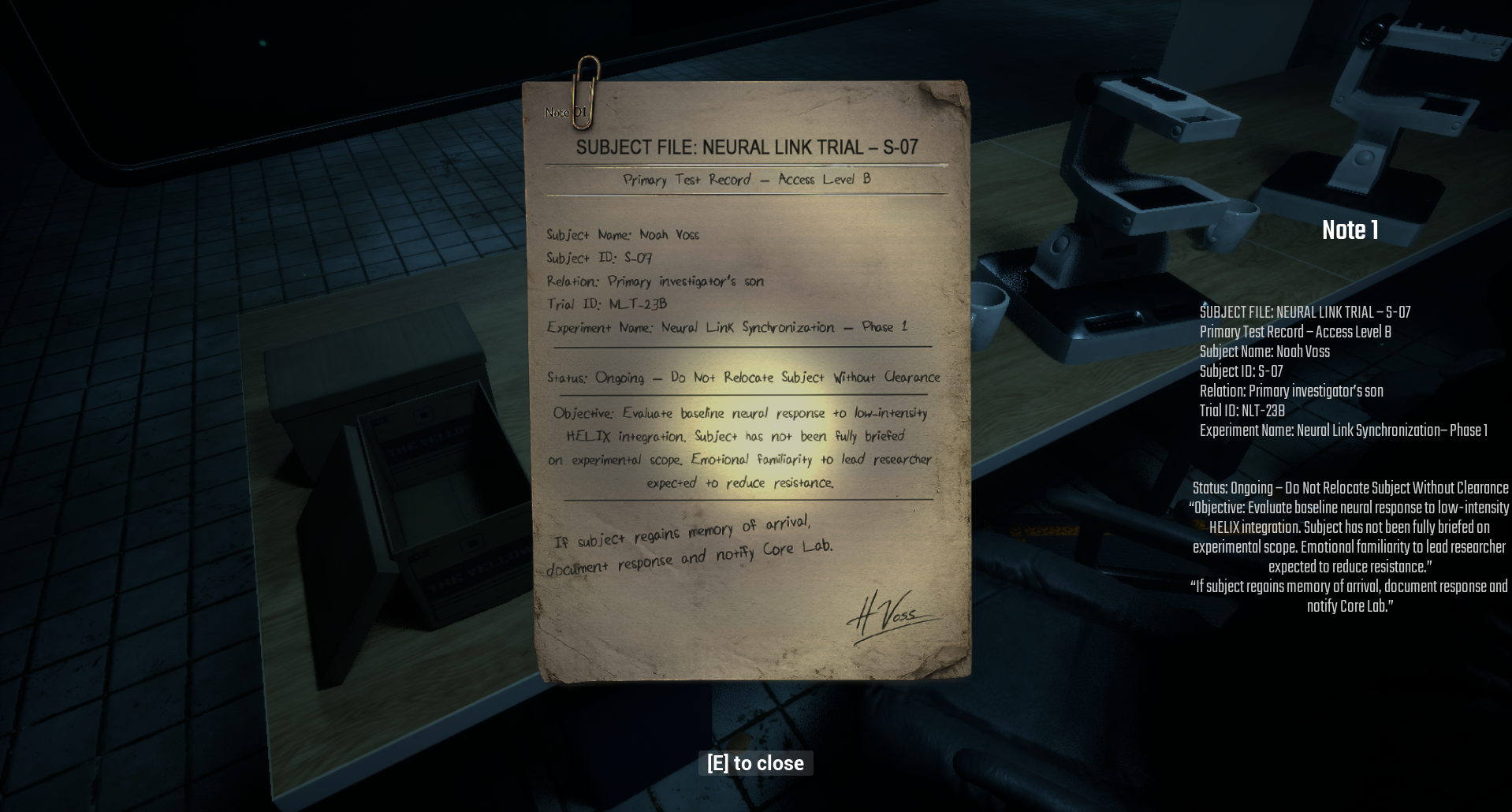
Players could move through the facility without a reason to look closer. The challenge was to make small environmental changes feel meaningful before revealing the larger threat.
Connected observation, movement, and consequence into one loop.
Structured the rules behind distorted spaces and unreliable signals.
Used rooms and routes to control attention and unease.
Tuned how often the world broke its own rules.
Listened for the moment curiosity turned into confusion.
Kept the design language consistent as the world expanded.
The journey map shows how attention changes as the room stops behaving normally.
Select a stage to reveal the design insight.
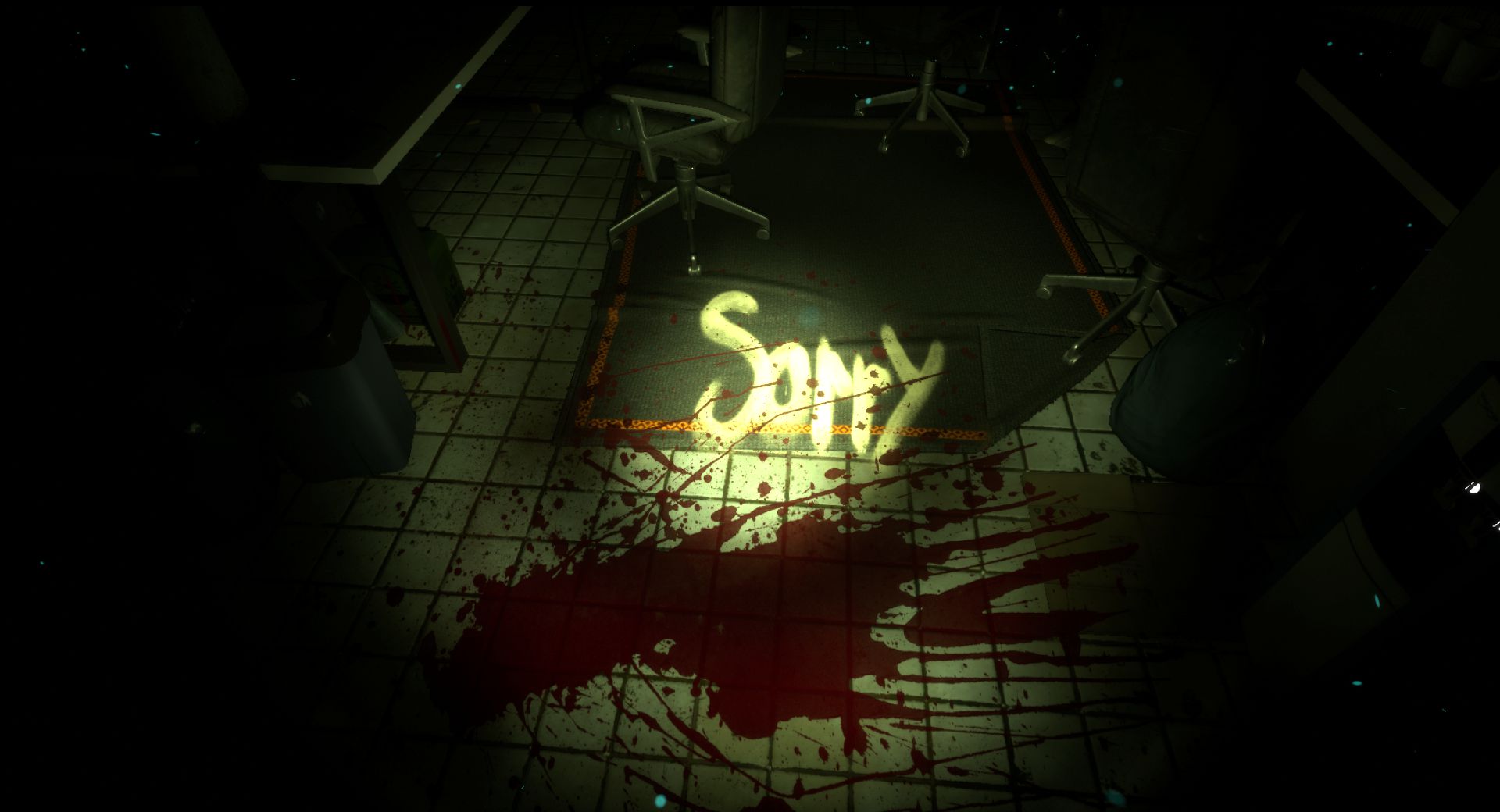 WireframeFinal
When every room behaved strangely, nothing felt special. We reduced the number of disruptions so each one could carry meaning.
“I noticed the change, but I did not know why I should care.”
Scope decisions favored the rooms and story beats that supported the player’s investigation. New features had to strengthen the feeling of uncertainty or make room for the ones that did.
Lesson 01Silence needs a question behind it.
Lesson 02Players remember the detail they almost missed.
Lesson 03Restraint makes horror legible.
I would keep the focus on observation and environmental storytelling. I would improve the opening minutes so the player understands the kind of attention the world is asking for sooner.
Back to all projects →